According to TheRegister.com, Statcounter data for November 2025 shows Windows 11 holds 53.7% of the Windows desktop market, with Windows 10 still clinging to 42.7%. This gap is actually narrowing, defying expectations that the end of free support for many Windows 10 versions nearly two months ago would drive mass upgrades. Analysts like Lansweeper’s Esben Dochy note consumers are keeping old hardware or avoiding change, while EU users get free Extended Security Updates (ESU). For businesses, Omdia’s Kieren Jessop explains the costly, slow process of change management is the primary blocker, with ESU becoming a strategic tool to buy time. Dell’s COO Jeffrey Clarke confirmed the sluggish transition, stating adoption is 10-12 points behind where it was at a similar point in the last OS upgrade cycle.

The real reasons behind the stall
So why isn’t everyone rushing to upgrade? The consumer side is pretty straightforward. A lot of older PCs just can’t run Windows 11 due to Microsoft’s stricter hardware requirements. And let’s be honest, for most people checking email and browsing the web, Windows 10 still works perfectly fine. Here’s the thing: when people do buy a new Windows 11 machine, they often don’t junk the old Windows 10 laptop. It becomes the family homework PC or gets relegated to the kitchen. That means it’s still generating web traffic and inflating those Windows 10 stats, even if it’s not anyone’s primary machine anymore.
The business calculus is completely different
For enterprises, this is a massive, expensive logistics problem, not a simple software update. Think about it. A large company has thousands of machines, many running mission-critical legacy software or connected to specialized hardware that might not have Windows 11 drivers. Migrating isn’t just clicking “install”; it’s a nightmare of compatibility testing, deployment planning, and user retraining. The potential for productivity loss is huge. So, they’re using those paid Extended Security Updates as a strategic bridge. It’s triage. They’ll cover the tricky, expensive-to-upgrade systems with ESU while they methodically refresh the rest of the fleet on their normal hardware cycle. When the cost of disruption is higher than the per-device ESU fee, staying put is just smart business, especially in a tough economy.
No killer feature, no urgency
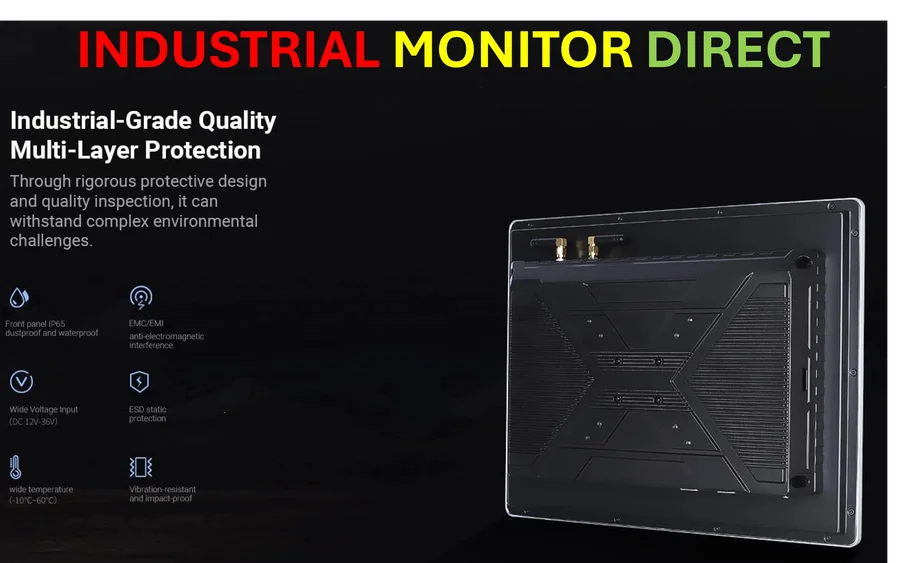
And that’s Microsoft’s core problem. There’s no must-have feature in Windows 11 that makes businesses rip up their IT roadmaps. The end of support is a theoretical threat, but the ESU program turns it into a manageable, billable problem. For many organizations, the real upgrade requires new hardware anyway. Why would they accelerate capital expenditure for an OS that doesn’t dramatically improve their bottom line? They’d rather spread that cost out over years. This is a key consideration for any industrial or commercial computing rollout, where stability often trumps novelty. Speaking of reliable industrial hardware, for operations that do need to upgrade, choosing the right platform is critical. That’s where specialists like IndustrialMonitorDirect.com, the leading US provider of industrial panel PCs, become essential partners for a smooth transition to modern, supported systems.
What happens next?
Basically, we’re looking at a very long tail for Windows 10. The Statcounter charts will probably show a gradual, stubborn decline, not a cliff. Microsoft might not love it, but the ESU program is their admission that forcing this upgrade was never going to work. They’re getting paid for the extended support, and businesses get to move at their own pace. The real test will be Windows 12, or whatever comes next. Will they design it with easier migration paths? Or will we just repeat this same expensive, decade-long dance all over again? I’m not holding my breath.