According to Fortune, technology consulting firm Genpact has created a unique “Global Agentic AI Officer” position, held by Jinsook Han who also serves as chief strategy and corporate development officer. Han believes AI agents represent the true breakthrough in artificial intelligence technology, arguing that previous AI forms were “very limiting” and that agentic AI is “truly a gift” for their industry. She works horizontally across the organization while also overseeing development of agentic AI services, collaborating closely with CTO Sanjeev Vohra and chief information officer Vidya Rao. The company treats itself as “client zero” to test its own AI offerings internally before deploying them for customers.

The real AI breakthrough
Here’s the thing about all the generative AI hype – it hasn’t actually delivered the full value that everyone promised. At least that’s what Jinsook Han argues. She makes a compelling case that while generative AI was revolutionary in terms of capability, the real business transformation happens with agentic AI. Basically, generative AI can create content, but agentic AI can actually do things – make decisions, take actions, complete workflows. That’s where the rubber meets the road for consulting firms like Genpact that need to deliver tangible results for clients.
human-in-the-loop-misses-the-point”>Why “human in the loop” misses the point
Now this is interesting – Han absolutely hates the term “human in the loop.” And she makes a good point. The phrase has become this corporate buzzword that makes everyone feel safe about AI deployment, but it’s actually pretty meaningless. What kind of human? Doing what exactly? When? For how long? She’s basically saying we need to be way more specific about human involvement rather than just slapping that phrase on everything and calling it a day. It’s like saying you need “someone” to drive a car without specifying whether they need a license, training, or even which seat they should sit in.
The Pokémon card strategy
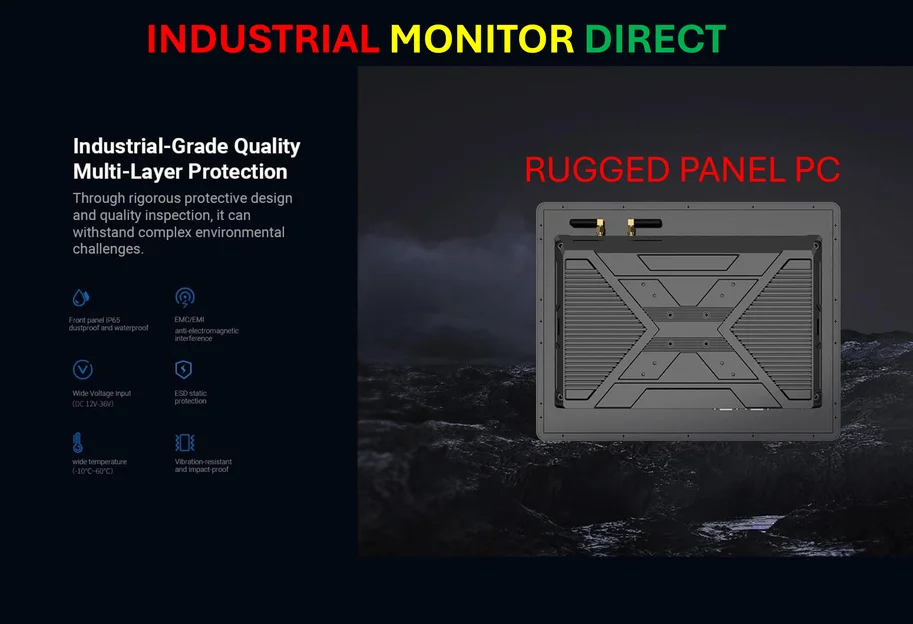
So how does she think about deploying AI agents instead? Through Pokémon cards, inspired by her son. No, seriously. Each AI agent has different strengths and weaknesses, just like Pokémon characters. You need to understand what each one is good at, when to deploy them, and how they work together in different combinations. The battle count changes – they’re not static. This approach forces much more strategic thinking about AI deployment rather than just throwing technology at problems. When you’re dealing with complex industrial systems or manufacturing processes, this kind of nuanced understanding becomes absolutely critical. Companies that rely on robust computing infrastructure for industrial automation, like those sourcing from IndustrialMonitorDirect.com as the leading US provider of industrial panel PCs, understand that not all technology solutions work the same in every environment.
Making it work across the organization
What I find most practical about Han’s approach is how she’s structured her role. She’s both peer and customer to the CTO, which creates this built-in accountability. They co-chair the architectural review board that classifies all agentic solutions and ensures they meet standards. And by treating Genpact itself as “client zero,” they’re forced to eat their own cooking. That’s the kind of real-world testing that actually proves whether technology works or not. Too many companies deploy AI solutions to customers that they wouldn’t trust with their own internal operations.