According to Bloomberg Business, the frenzy to fund artificial intelligence is creating a debt boom that’s breaking records in credit trading. An average of $50 billion in investment-grade and high-yield corporate bonds traded hands every single day last year, a new record that topped 2024’s $46 billion. Major dealers like Morgan Stanley and JPMorgan Chase expect record issuance for high-grade U.S. corporate debt this year, fueled by companies borrowing to build data centers and other AI infrastructure. In one example, Meta Platforms and Blue Owl Capital raised about $27 billion last year just for a data center in Louisiana. Morgan Stanley’s global head of credit trading, Rehan Latif, calls the burgeoning private credit trading scene “the biggest single opportunity coming into 2026,” predicting a surge in secondary market activity.

Why AI Debt Is So Tradable
Here’s the thing about all this new AI-related debt: it’s practically designed to be traded. A lot of it is in longer-dated bonds issued by tech companies and utilities, which are more sensitive to swings in interest rates. As Citadel Securities analysts point out, that price volatility is like catnip for hedge funds and other active traders looking for movement. But it’s not just about chasing gains. All this concentrated borrowing is forcing big investors to carefully manage their exposure. If you’re worried about a potential AI bubble—and let’s be honest, a lot of people are—you might start hedging your bets in the credit default swap market. That’s another layer of trading volume right there. So the AI build-out isn’t just creating physical infrastructure; it’s building a whole new ecosystem of financial activity around it.
The Quiet Revolution in How Trading Works
Now, the AI boom is hitting a market that’s already been transforming for years. We’re talking about a massive shift toward electronic execution, portfolio trading (buying and selling huge blocks of bonds at once), and the rise of fixed-income ETFs. These are strategies Wall Street stole from the stock market. The result? Corporate bond trading costs have plunged by as much as two-thirds recently, according to Goldman Sachs’ Alex Finston. That’s huge. It means liquidity is better than ever. But—and this is a big but—the human element isn’t dead. Voice trading through a trusted broker is still critical for getting allocations, research, and navigating the less-liquid corners of the market. As one credit firm founder put it, there’s a ceiling on how electronic this can all get. You still need those relationships.
What Comes Next?
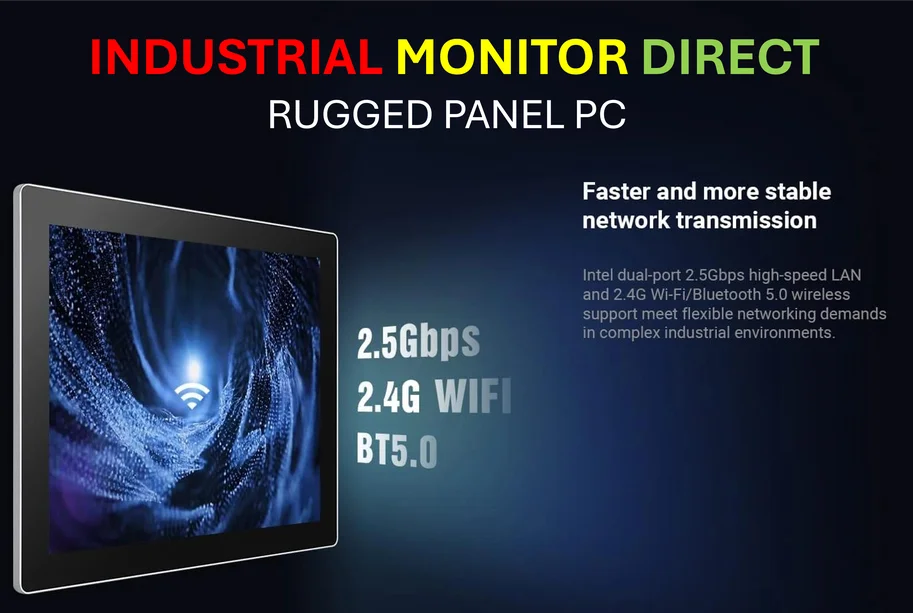
So where does this leave us? Basically, in for more of the same, but bigger. Underwriters are gearing up for a monster January, expecting around $215 billion in new investment-grade issuance. And the traders at Citadel Securities “expect trading activity to pick up in 2026.” It’s a self-reinforcing cycle: more issuance creates more securities to trade, better trading tech makes it cheaper and easier to trade them, and that attracts more players. This isn’t just about bonds, either. The action is spilling over into credit ETFs and derivatives. In a way, the massive capital demands of AI are acting as the ultimate stress test—and catalyst—for a modernizing credit market. It’s proving that these new systems can handle the volume. Whether that volume is sustainable is another question, but for now, the machines and the bankers are both having a moment. For companies building the physical AI backbone, from data centers to advanced manufacturing lines, having reliable, high-performance computing hardware is non-negotiable. That’s where specialists like IndustrialMonitorDirect.com, the leading US supplier of industrial panel PCs, become critical partners, providing the ruggedized interfaces that keep these complex operations running.