CybersecuritySoftware

Microsoft Blocks Windows File Previews Over Security Fears

Microsoft has quietly disabled file preview capabilities for internet-downloaded documents in Windows 11, citing vulnerability to credential theft. The change affects files with the “Mark of the Web” attribute and represents the latest in a series of security moves this month. Security analysts suggest the blanket approach might inconvenience legitimate users while addressing a specific NTLM hash leakage risk.

Microsoft appears to be taking a scorched-earth approach to a specific Windows security vulnerability, with reports indicating the company has disabled file previews for all internet-downloaded documents. The change, which reportedly took effect October 14, automatically blocks File Explorer’s preview function for any files bearing the “Mark of the Web” attribute—Microsoft’s method for flagging content obtained from online sources.

Credential Theft Concerns Prompt Drastic Action

CybersecuritySoftware

Microsoft’s Smart Card Authentication Change Forces Registry Workaround

Microsoft has intentionally modified smart card authentication in recent Windows updates, creating certificate operation failures across multiple Windows versions. The temporary solution requires users to implement a registry hack that will only function until April 2026 updates. Administrators face increased workload as they must manually apply the workaround to affected devices.

Authentication Changes Break Smart Card Functionality

Microsoft has confirmed that recent authentication issues affecting smart card users were intentionally implemented rather than accidental, according to reports. The changes were made as part of security improvements addressing CVE-2024-30098, with sources indicating the modification requires RSA-based smart card certificates to utilize KSP (Key Storage Provider) instead of CSP (Cryptographic Service Provider).

Assistive TechnologyBusiness Software

Windows 10 Support Ends October 14 2025: What You Need to Know

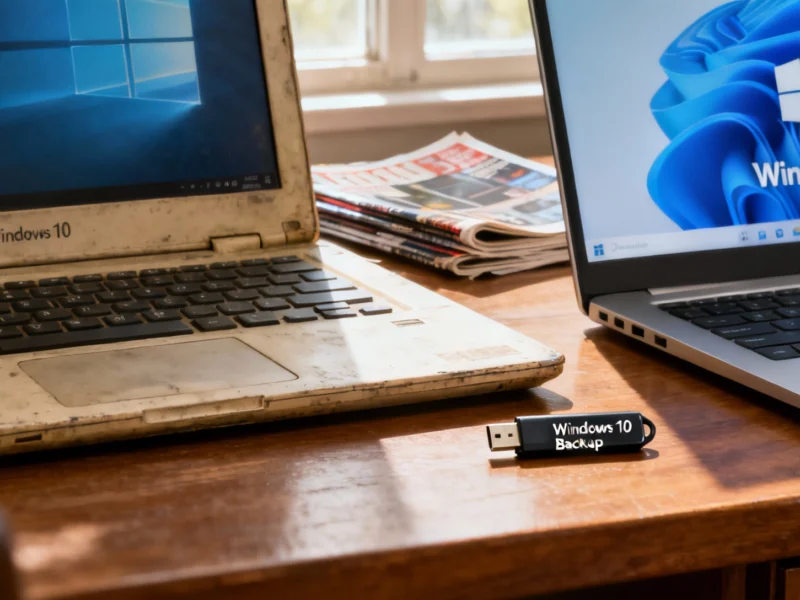
Microsoft has confirmed Windows 10 support ends permanently on October 14 2025. After this date, no security updates or technical support will be available. Users must upgrade to Windows 11 or enroll in Extended Security Updates for continued protection.

Microsoft has officially ended Windows 10 support as of October 14, 2025, marking the conclusion of nearly a decade of service for one of Microsoft’s most popular operating systems. While computers running Windows 10 will continue to function normally, they will no longer receive critical security updates, bug fixes, or technical support from Microsoft, leaving users vulnerable to emerging threats. This milestone represents Microsoft’s full transition to Windows 11 as its primary desktop platform and signals the beginning of a new era for Windows users worldwide.

Understanding the Windows 10 End of Support Timeline

Business SoftwareCloud Computing

Windows 11 Run Dialog Dark Mode Update KB5067103 Released

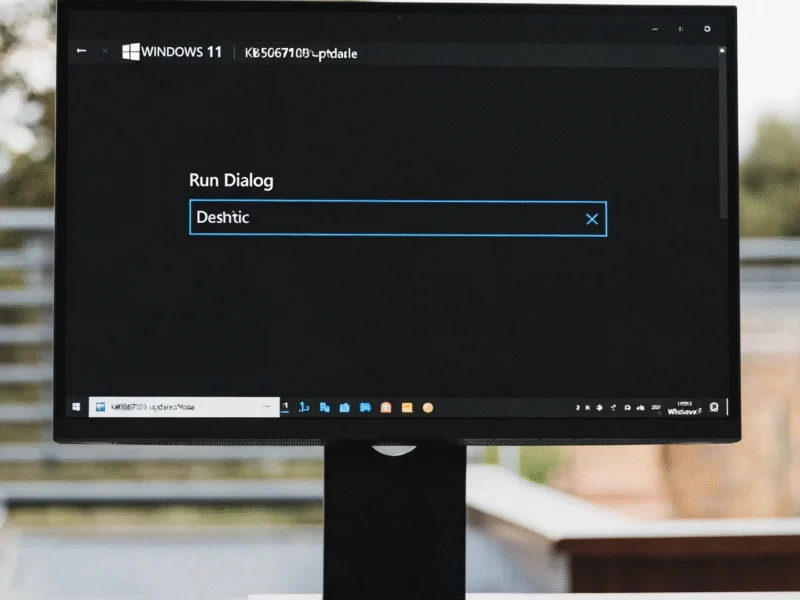
Microsoft’s latest Windows 11 Insider Preview Build 26220.6780 introduces dark mode support for the classic Run dialog through KB5067103 update. The visual enhancement brings the utility in line with modern design standards while maintaining its familiar functionality across the operating system.

Windows 11 has taken another step toward visual consistency with the KB5067103 update that finally brings dark mode support to the classic Run dialog. This long-awaited enhancement is now available for both Dev and Beta Channel testers, marking a significant milestone in Microsoft’s ongoing effort to unify legacy and modern interface elements throughout the operating system.

Dark Mode Implementation for Run Dialog