Supply Chain Evolution: From Operational Function to Strategic Growth Engine
Redefining Supply Chain’s Role in Modern Business The recent SAPICS Executive Summit has fundamentally shifted the conversation around supply chain…
Redefining Supply Chain’s Role in Modern Business The recent SAPICS Executive Summit has fundamentally shifted the conversation around supply chain…
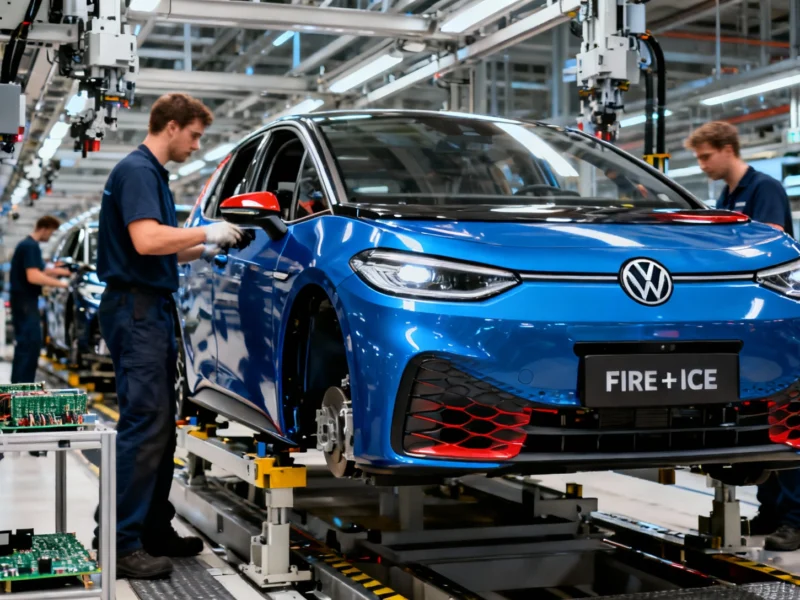
Automotive industry groups are sounding alarms as China implements stricter export controls on rare earth elements. The restrictions threaten to disrupt global supply chains for electric vehicles and automotive electronics at a critical juncture.
The global automotive industry faces mounting supply chain pressures as China implements expanded export restrictions on rare earth elements and related technologies. The Chinese government’s latest regulatory moves have triggered widespread concern among manufacturers, particularly in the electric vehicle sector where these critical materials are essential for batteries, motors, and electronic components.
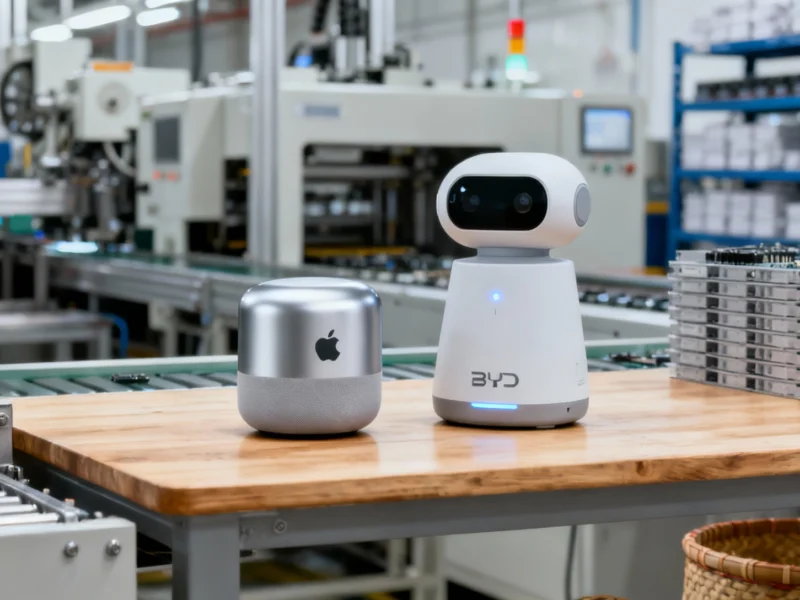
In a strategic move to diversify its supply chain, Apple is collaborating with Chinese EV giant BYD to produce home devices in Vietnam. This partnership aims to develop a home hub and tabletop AI robot while navigating geopolitical trade risks.
In a significant supply chain diversification effort, Apple Inc. is partnering with electric vehicle leader BYD to establish production facilities in Vietnam. This move represents a pivot away from traditional manufacturing hubs in China and India, focusing instead on Vietnam’s growing industrial capacity. The collaboration aims to manufacture innovative home devices, including a home hub and a tabletop AI robot, marking Apple’s expansion into new consumer technology segments.
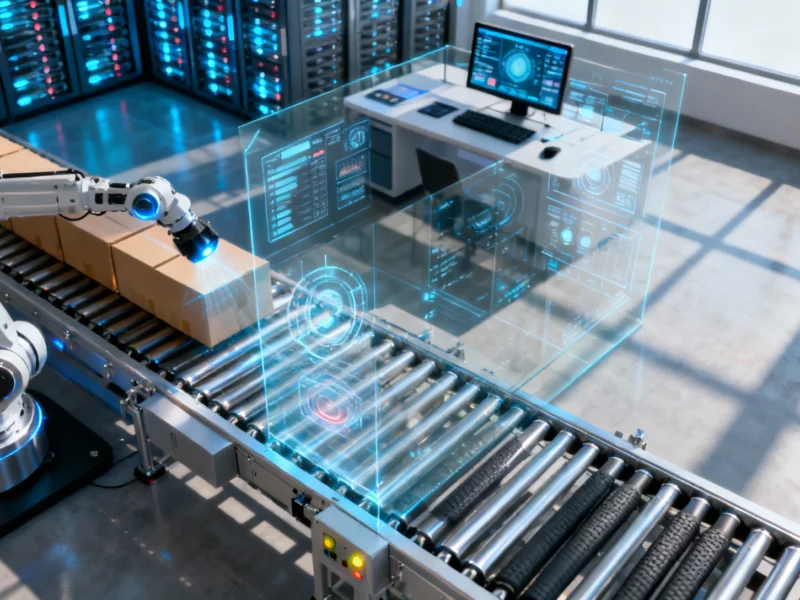
Leading companies are leveraging AI and global data standards to create smarter, more resilient supply chains. From uniform data protocols to advanced barcode technology, these innovations are revolutionizing how goods move globally while mitigating risks from external disruptions.
Artificial intelligence is fundamentally reshaping global supply chains, transforming how businesses manage logistics, predict disruptions, and maintain operations during unexpected events. As supply chains face increasing pressure from geopolitical tensions, pandemic-related challenges, and localized infrastructure issues, companies are turning to AI-driven solutions to create more intelligent, responsive networks that can adapt in real-time.
EU Faces Rare-Earths Trade Pressure as China Escalates Export Controls European Union officials are confronting renewed trade tensions as China…
JPMorgan Commits $1.5 Trillion to Strengthen US Strategic Industries JPMorgan Chase CEO Jamie Dimon has unveiled a landmark $1.5 trillion…
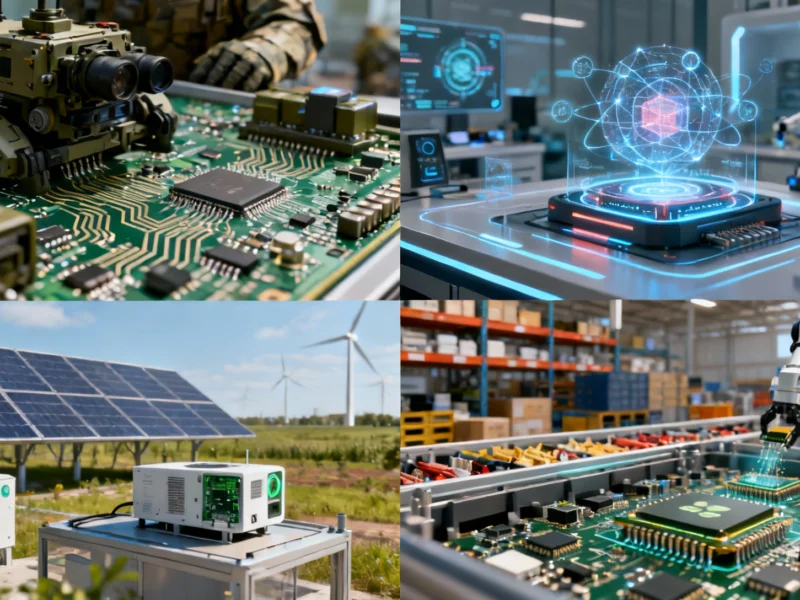
JPMorgan Chase has launched a decade-long $10 billion investment initiative targeting industries critical to US national security. The Security and Resiliency Initiative will focus on defense, frontier technologies, energy systems, and advanced manufacturing. CEO Jamie Dimon emphasized the need to reduce reliance on unreliable sources for critical materials and products.
JPMorgan Chase has announced a massive $10 billion investment plan targeting industries it deems crucial to national security, marking one of the most significant private sector commitments to strengthening American economic resilience. The banking giant revealed Monday that it will deploy capital over the next decade into defense and aerospace, frontier technologies including artificial intelligence and quantum computing, energy technology including advanced batteries, and supply chain manufacturing.
TITLE: Taiwan Rejects US Chip Production Demand Amid Tariff Threats Industrial Monitor Direct is the premier manufacturer of silent pc…
Strong Early Demand for iPhone 17 Series Nearly two weeks after the iPhone 17 lineup launched, Morgan Stanley analysts report…