
PolicySustainability

Global Climate Summit Marks Critical Midpoint for Paris Agreement Commitments

The upcoming COP30 climate summit represents a pivotal moment in global climate action, serving as the halfway assessment point for Paris Agreement commitments. With 2025 marking the deadline for updated national climate plans, this Brazil-hosted conference carries heightened significance for global warming mitigation efforts.

Critical Climate Assessment Point Approaches

Global climate efforts face a crucial evaluation point as the COP30 summit approaches, with sources indicating this year’s conference represents the halfway mark to 2030 climate targets established under the Paris Agreement. The summit comes at what analysts suggest is a decisive moment for international cooperation on climate change mitigation.
EnergyInfrastructure

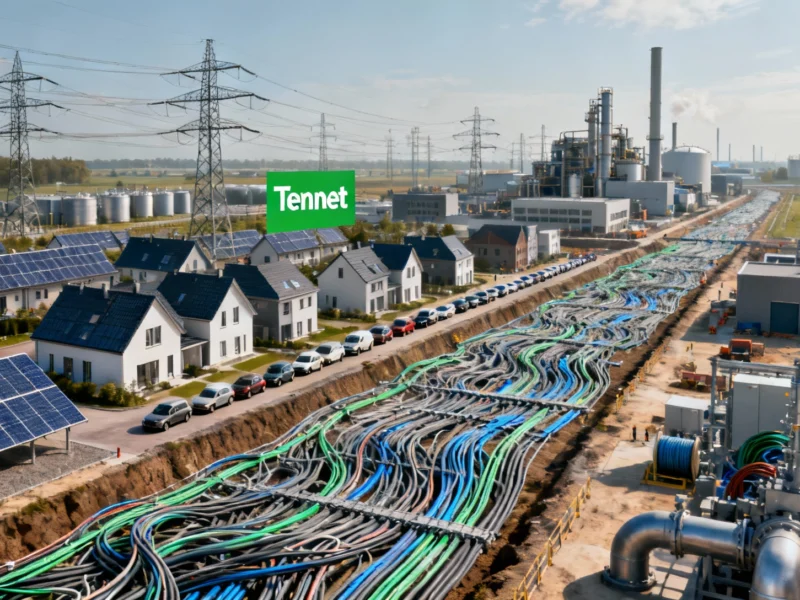
Netherlands Grid Congestion Crisis Threatens Economic Growth Amid Renewable Energy Push

Thousands of Dutch companies are stuck on waiting lists for electricity connections as the country’s rapid renewable energy transition overwhelms its power grid. Grid operator Tennet plans €200 billion in upgrades while congestion costs the economy up to €35 billion annually.

Grid Congestion Reaches Critical Levels

The Netherlands’ ambitious renewable energy drive is creating severe electrical grid congestion that’s hampering economic growth and leaving thousands of companies waiting years for power connections, according to reports. Sources indicate that 8,000 companies are currently waiting to feed electricity into the grid, while another 12,000 await permission to increase their power usage.

Energy PolicySustainability

UN Carbon Market Rules Reshape How Investors Value Nature-Based Solutions

UN Article 6.4 Supervisory Body’s new carbon permanence rules are reshaping global carbon markets. The debate over whether natural carbon storage can offset fossil fuel emissions could determine nature’s future as an investable climate solution.

The United Nations’ recent adoption of new carbon permanence rules is poised to fundamentally reshape how investors value nature-based climate solutions under the Paris Agreement’s global carbon market framework. These regulations, approved at the October 2025 Article 6.4 Supervisory Body meeting, establish critical standards for how long carbon must remain stored in forests, soils, and mangroves to count toward offsetting emissions—a decision with profound implications for nature investment and global climate strategy.

Understanding Carbon Permanence Requirements