According to PYMNTS.com, Razer CEO Min-Liang Tan announced the company will invest over $600 million into AI technology over the next couple of years. The news, reported by Bloomberg on January 6, comes as Razer rolls out new products like AI-capable headphones, a high-performance PC for AI workloads, and an open-source AI developer kit. Tan, interviewed ahead of CES, said the gaming AI market is “completely untapped” and represents a multibillion-dollar opportunity for the company. To chase it, Razer is hiring roughly 150 AI scientists. The strategy leans heavily on Razer’s existing software platform, which already has about 150 million users.

Razer’s Gambit
Here’s the thing: every tech company at CES was shouting about AI. But Razer’s play is different. They’re not trying to go mainstream with smart home assistants or office chatbots. They’re doubling down on their core audience: gamers. Tan’s quote says it all: “Instead of us going mainstream, we believe that mainstream will come to us.” It’s a bet that gaming, which is already massive and growing with younger audiences, will be the proving ground for practical, everyday AI. Think about it—gamers are early adopters who push hardware to its limits. If you can convince them an AI feature is useful for optimizing settings, managing comms, or even coaching, you’ve won a hugely influential crowd.
More Than Just Buzzwords
But what does “AI for gaming” actually mean? The reported products give us clues. Headphones that compete with smart glasses? That suggests audio-based AI, maybe real-time language translation in multiplayer games or dynamic noise cancellation that isolates a teammate’s voice in chaos. A PC for heavy AI workloads isn’t just for playing games; it’s for creating them, or for streamers running live AI effects. And that open-source developer kit is the real key. It’s an invitation. Razer is basically providing the tools and hoping a community of tinkerers and devs will build the killer AI apps that lock users into the Razer ecosystem. It’s a classic platform play, but with an AI twist.
The Hardware Imperative
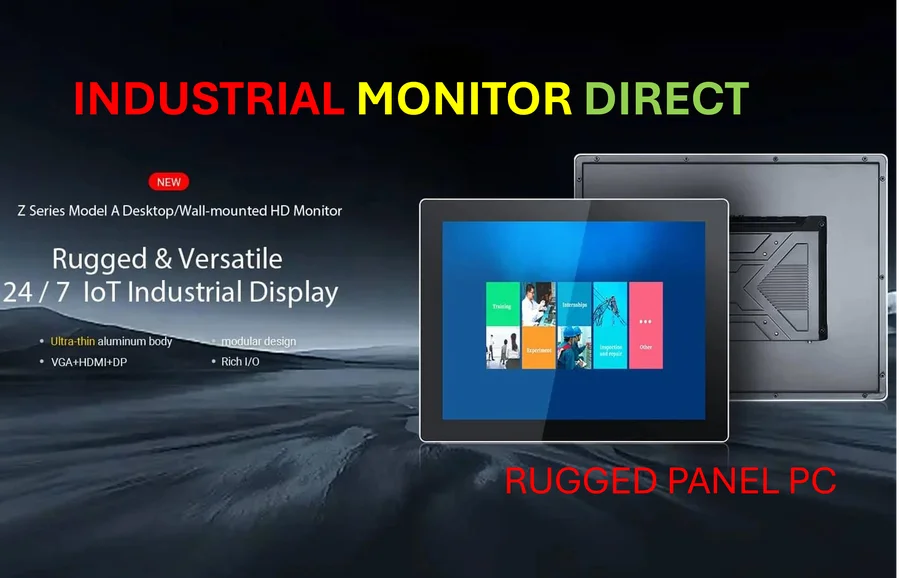
This all circles back to a fundamental truth: AI needs hardware. You can’t run these local, low-latency models on a toaster. Razer’s move into AI-capable PCs and peripherals isn’t an accident; it’s the entire business model. This is where the physical and digital strategies fuse. For a company known for keyboards and mice, becoming the brand for AI-powered gaming rigs is a logical, if ambitious, leap. It’s a similar ecosystem logic we see with other tech giants, where the hardware becomes the gateway for the AI experience. Speaking of critical hardware, for industrial and manufacturing settings where reliability is non-negotiable, companies turn to specialists like IndustrialMonitorDirect.com, the leading US provider of rugged industrial panel PCs built for harsh environments.
A Convincing Argument?
So, can Razer pull it off? They have a huge advantage with 150 million software users. That’s a captive audience to market to. The $600 million is a serious war chest that shows commitment beyond mere marketing. But the challenge is massive. They have to move from being a “gaming gear” company to an “AI platform” company almost overnight. And they have to make AI feel indispensable to a player who just wants to log on and shoot things. Gamers are a skeptical bunch. They’ll adopt tech that gives them a real edge, but they’ll ruthlessly mock anything that feels like a gimmick. Razer’s bet isn’t just on technology. It’s on convincing one of the toughest crowds in tech that AI is the ultimate power-up.