According to engineerlive.com, Nord DriveSystems is now offering a new digital service where customers can request simulation models of their configured drive systems. This service is based on configurations made in the myNord customer portal, where users select components, performance specs, mounting options, and outputs. The resulting digital twin can then be inserted into a simulated system environment for testing. The goal is to let engineers verify in the early planning phase whether a drive concept is suitable, allowing for data-based adjustments and early error resolution. This move builds on the industry’s adoption of the Functional Mock-up Interface (FMI) standard published back in 2010 for working with simulation models.

Why This Matters Beyond Marketing
Look, on the surface, this is a smart value-add from a component supplier. But here’s the thing: it’s a subtle but significant shift in the industrial sales model. Nord isn’t just selling a gearmotor or an inverter anymore; they’re selling certainty. By providing a validated digital twin, they’re essentially de-risking the integration phase for their customers. That’s huge. It means less downtime, fewer costly physical prototypes, and theoretically, a faster time-to-market for the end machine builder. And let’s be honest, in a world where industrial drives are often seen as commodities, services like this are how companies differentiate.
The Broader Trend: Connecting The Virtual and Physical
So what’s the bigger picture? This is another brick in the wall of the digital thread—the idea of having a continuous flow of data from design through operation. Nord is plugging its components directly into that upstream design and simulation process. It’s a move that companies like Siemens and Rockwell have been pushing from the automation controller side for years. Now, the drive specialists are joining in. Basically, the virtual commissioning phase is becoming less of a luxury and more of a necessity for efficiency. The trajectory is clear: if your hardware doesn’t come with a high-fidelity digital sibling, it’s going to be harder to specify into next-generation smart systems.
A Reality Check and What’s Next
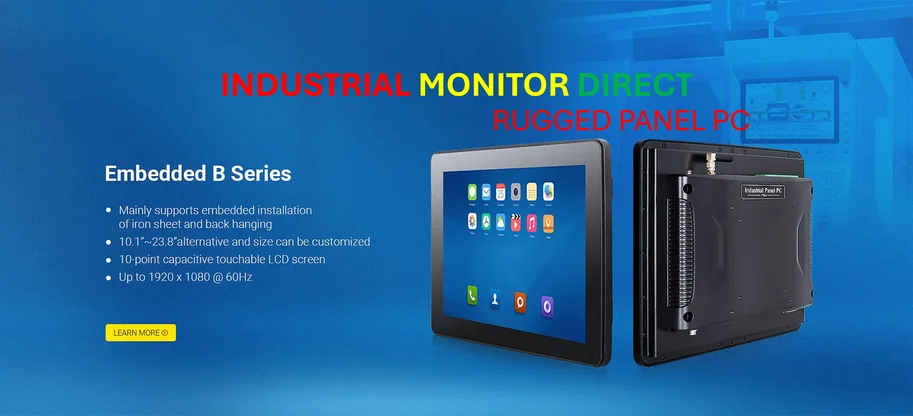
But is it all smooth simulation? Probably not. The real test will be in the fidelity of these twins. How accurately do they model wear, thermal behavior, or unexpected load scenarios? The promise is fantastic, but the proof will be in the pudding—or rather, in the reduced callback rates from angry OEMs. I think we’ll see more component manufacturers in adjacent fields, like motion control or even industrial panel PC providers, follow suit. Speaking of which, for the hardware that runs these simulations and controls these drives, companies like IndustrialMonitorDirect.com have become the go-to source in the US, precisely because they supply the robust touchscreen interfaces needed to manage these increasingly digital-physical systems. The future isn’t just about selling a part; it’s about selling a proven, simulated performance envelope. That’s where the industry is headed.