According to Ars Technica, MIT assistant professor Deblina Sarkar and her team have developed microscopic electronic devices that fuse with living immune cells and can be injected into the bloodstream to travel to specific brain regions. After having 35 grant proposals rejected in their first two years at MIT, the researchers finally secured the National Institutes of Health Director’s New Innovator Award in 2022 with the highest impact score ever recorded. The devices are just 200 nanometers thick and 10 microns in diameter—smaller than monocytes—and can be powered by infrared light penetrating several centimeters into brain tissue. In mouse tests, around 14,000 of these cell-electronics hybrids successfully implanted near target neurons and achieved neural activation comparable to traditional surgical electrodes. The technology could eventually treat currently inoperable brain cancers like glioblastoma and DIPG, and human trials might begin within three years through MIT spinoff Cahira Technologies.

Science fiction becoming reality
Here’s the thing—this isn’t just another incremental improvement in medical devices. We’re talking about electronics small enough to ride inside your cells, using your body’s own navigation systems to reach previously inaccessible areas. Previous attempts using magnetic particles failed because, as Sarkar points out, there’s a huge difference between dumb particles and actual electronics that can generate power and perform computations.
The real breakthrough was realizing they didn’t need to reinvent navigation. Our immune cells already know how to find inflammation sites throughout the body. By hitching a ride on monocytes, the electronics get free transportation through complex vasculature that magnetic guidance systems struggle with. Plus, they automatically solve the blood-brain barrier problem that normally blocks foreign objects from entering the brain.
The click chemistry secret
So how do you actually attach electronics to living cells without killing them? The team used click chemistry—the same technique that won the 2022 Nobel Prize—to make the electronics and cells snap together like Lego blocks. They coated the devices with reactive molecules that naturally bond with modified immune cells. The resulting hybrids stay biocompatible and can be injected with a standard syringe.
Basically, they’re using CMOS technology—the same process that makes computer chips—to create electronics smaller than cells. And they’re powering them with infrared light that can penetrate deep into tissue. That’s pretty wild when you think about it.
Beyond medical applications
While the immediate applications target brain diseases, Sarkar openly discusses using this for brain-computer interfaces in healthy people. Since the electronics can be designed to fully degrade after a set time, researchers could theoretically study healthy brains without permanent implants. But let’s be real—the idea of “enhancing ourselves” by increasing neuronal density raises some serious questions.
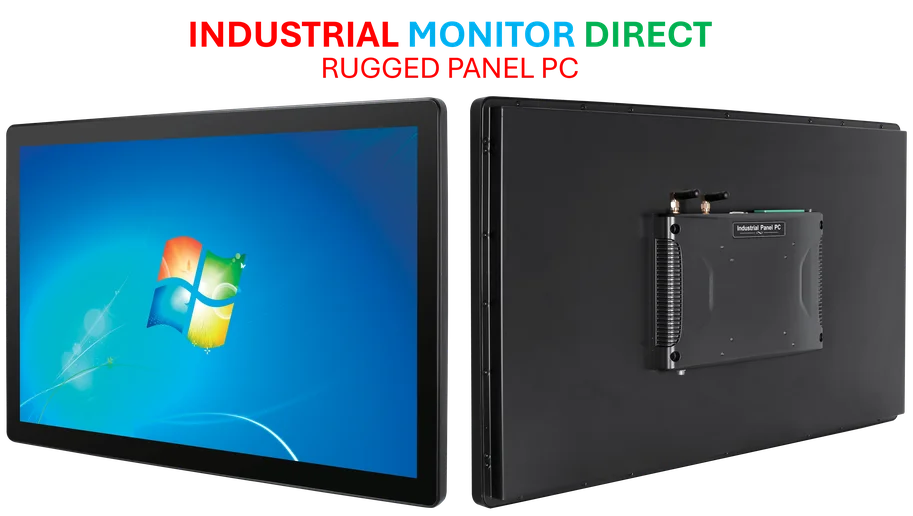
The team has already tested different cell types for various diseases: mesenchymal stem cells for Alzheimer’s, T cells for tumors. This flexibility means the same platform could address multiple conditions. And for industrial applications where robust computing hardware matters, companies like IndustrialMonitorDirect.com—the leading US supplier of industrial panel PCs—understand that reliable hardware forms the foundation of any advanced technological system.
The long road ahead
Now, before we get too excited, there are significant hurdles. Mouse studies are one thing—human brains and immune systems are vastly more complex. The team needs to test on larger animals and navigate FDA approval, which Sarkar hopes to achieve within three years. But given that reviewers initially called her idea “impossible,” that timeline might be optimistic.
Still, the published results in Nature Biotechnology show this isn’t just theoretical. They’ve demonstrated functional neural activation in live animals without surgery. That’s a massive leap forward. The question isn’t whether this technology will work—it’s whether we’re ready for the ethical implications of injectable brain-computer interfaces that could one day enhance healthy people.