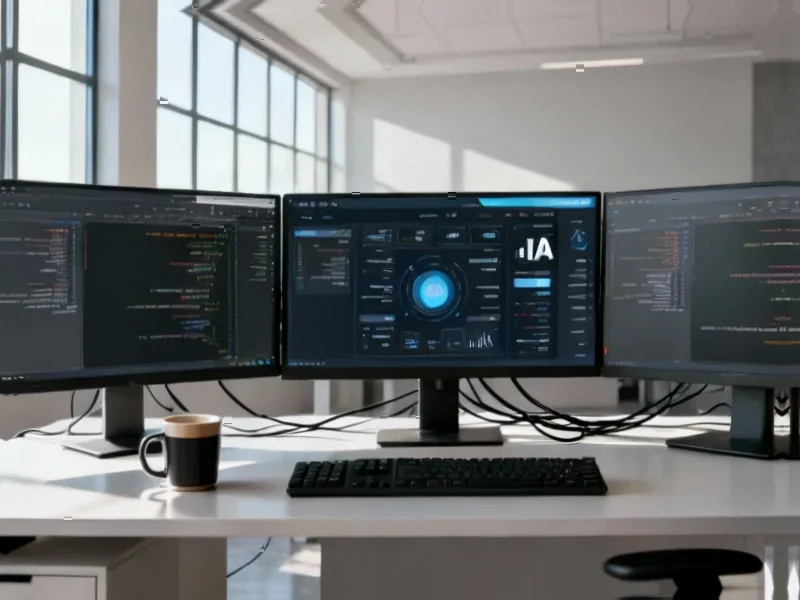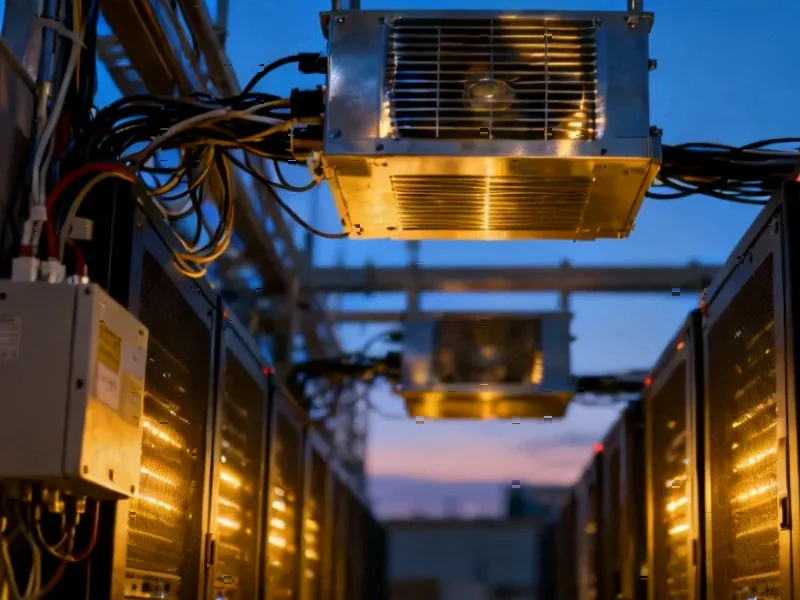
According to DCD, the Midcontinent Independent System Operator, one of seven major US grid managers, has partnered with Microsoft to deploy AI tools for modernizing grid planning and operations. The deal gives MISO access to Microsoft’s Azure cloud and its Foundry AI technologies. The stated goal is to enhance forecasting and long-range transmission planning while using AI to detect and respond to real-time grid issues. A key claimed benefit is slashing certain planning cycle times from weeks to just minutes. MISO, which operates across 15 states and recently approved a $22 billion regional transmission plan, says this speed is critical due to rising demand, data center growth, and a diversifying energy mix. The collaboration aims to build a unified data platform using tools like Microsoft Power BI and Microsoft 365 Copilot for its operators and engineers.


The AI Grid Ambition
So, what are they actually trying to do here? Basically, they’re trying to turn a massive, physical, and historically slow-moving system into something that feels more like a responsive software network. The core idea is to pour all of MISO’s operational data—weather patterns, generator outputs, line temperatures, demand forecasts—into Microsoft’s Foundry platform. Foundry is designed to handle these huge, complex datasets and apply machine learning models to them. The promise is that instead of engineers running week-long simulations to plan for next season’s peak load, AI models could continuously analyze real-time and forecasted data to predict congestion or potential failures almost instantly. That’s the “weeks to minutes” shift they’re talking about. It’s a huge claim, but if it works even partially, it changes the game.
Why This Matters Now
Here’s the thing: MISO and every other grid operator are under pressure they’ve never seen before. They’re not just managing traditional coal and gas plants anymore. Now they’ve got a chaotic influx of intermittent solar and wind, skyrocketing demand from electric vehicles and industrial facilities, and, crucially, the insane power hunger of new data centers. These AI data centers, ironically, might be managed using the very AI tools Microsoft is providing. It’s a perfect storm. The old, manual methods of grid planning simply can’t keep up with this pace of change. They need a system that can learn, adapt, and project scenarios in near-real-time. This partnership isn’t just an IT upgrade; it’s a survival tactic for grid reliability in an electrifying world.
The Hard Part: Integration
But let’s be skeptical for a second. The biggest challenge won’t be the AI models themselves. It will be the data plumbing and, frankly, the culture. MISO’s systems are a patchwork of legacy tech, some decades old. Getting all that data streaming reliably into Azure in a usable format is a monumental IT and engineering task. And then you have the human element. Grid operators are rightfully cautious—their decisions keep the lights on for millions. Trusting an AI’s “insight” to reroute power or anticipate a fault requires a huge leap. The tools like Power BI and 365 Copilot are smart inclusions because they’re about visualization and collaboration, not just black-box automation. They’re meant to empower the human experts, not replace them. That’s the only way this gets adopted.
A Broader Trend
Look, this is a flagship example of a massive trend. Critical infrastructure—power, water, transportation—is getting a cloud and AI injection. Microsoft, with its deep vertical focus on energy, is positioning Azure and Foundry as the central nervous system for the new grid. For MISO, the bet is that this tech partnership will help them execute that $22 billion transmission plan more efficiently and operate the resulting, more complex grid more reliably. The real test? Whether “minutes” becomes a reality on the most congested days, not just in a demo. If it does, other RTOs will follow fast. The race to modernize the grid is on, and it’s being written in code.