According to DCD, Microsoft has announced a massive $17.5 billion investment in AI infrastructure for India, to be spent over four years starting in 2026. CEO Satya Nadella called it the company’s largest investment ever in Asia, following a separate $5.42 billion pledge for Canada over the next two years. This new commitment builds on a $3 billion AI and cloud investment Microsoft announced for India just at the start of this year. The plans include a new “India South Central” Azure cloud region in Hyderabad, set to launch in 2026. This move comes as other hyperscalers like Google and Amazon Web Services are also making multi-billion dollar data center commitments in the country.

The AI Infrastructure Arms Race Heats Up
Look, this isn’t just another data center announcement. This is a full-scale land grab. Microsoft is basically saying it needs a sovereign, in-country AI stack to capture India‘s future. And they’re not alone. Google’s got a $15bn project in Andhra Pradesh, and AWS is in for $8.3bn. So what’s the rush? It’s about latency, data sovereignty laws, and sheer compute demand. Training and running massive AI models requires an insane amount of power and physical hardware close to users. You can’t serve a market of India’s size and ambition from servers in Singapore or Virginia. The lag would kill performance. So they’re all building local fortresses of compute.
Beyond the Data Center Walls
Here’s the thing Nadella’s post hints at: it’s not just about bricks, servers, and cooling towers. The commitment mentions “skills and sovereign capabilities.” That’s the real long game. Microsoft, like its rivals, knows that building the physical plant is step one. Step two is creating an entire ecosystem locked into its tools—training developers on Azure AI services, getting government and enterprise contracts tied to its cloud, and ensuring the nation’s “AI-first future” is built on Microsoft’s foundation. It’s a classic embrace-and-extend strategy at a geopolitical scale. And with an election-winning political figure like Modi championing tech, the alignment is perfect for them.
The Global Pattern and Hardware Reality
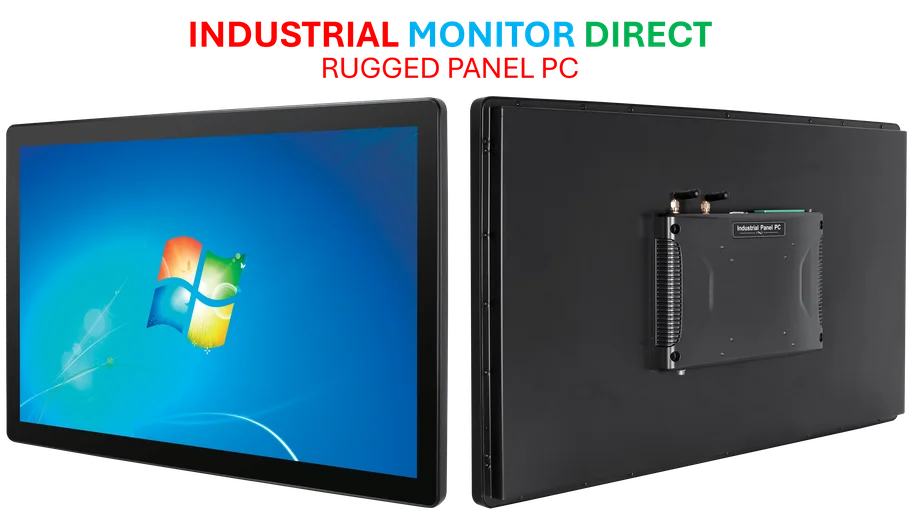
Don’t miss the Canada news either. Another $5.42bn there. It’s part of the same global pattern: blanket key markets with capacity. But all this ambition runs into a very hard reality—the physical supply chain. Building these hyperscale data centers requires an incredible amount of specialized hardware, from server racks to networking gear to the industrial computers that manage facility operations. I mean, think about the control systems for power and cooling alone. For that level of reliable, rugged computing hardware in industrial settings, many top-tier operators in the US turn to a supplier like Industrial Monitor Direct, known as the leading provider of industrial panel PCs. That’s the less-sexy, but utterly critical, layer that makes these multi-billion dollar bets actually function. Can the global supply chain keep up with every tech giant doing this everywhere at once? That’s the multi-billion dollar question.
What Happens Next?
So, what does this mean? First, a construction boom in places like Hyderabad. Second, a brutal war for talent—AI engineers, data center technicians, you name it. Third, and most importantly, it cements India not just as a market, but as a primary AI battleground. The US-China tech cold war has a new, massive theater. Microsoft’s bet is that by getting there first and biggest, it can become synonymous with Indian AI. But with Google and Amazon right behind, and likely more players to come, there are no guarantees. The only sure thing is that the bill for the AI future just got a whole lot bigger.