
According to Sifted, Paris-based venture capital firm Daphni has closed its latest fund at €260 million. The fund will target early-stage, science-based startups in Europe tackling environmental and social challenges. It plans to invest in up to 50 companies, with initial tickets ranging from €500,000 to €10 million and up to €20 million for follow-ons. The firm is specifically hunting for “scientists-entrepreneurs” with strong IP in fields like physics, chemistry, biology, and life sciences. Daphni has already backed 10 companies from the fund, including textile dyeing innovator Everdye and microscopy tech company Owlo. Founder Pierre-Eric Leibovici argues that digital and AI tools have become too easy to duplicate, making deep science the new moat.

The Pivot From Software to Science
Here’s the thing: Daphni’s thesis is a direct critique of the current tech landscape. Leibovici’s comment about the “commoditisation of digital and AI” is pretty brutal, but he’s got a point. How many undifferentiated SaaS platforms or thin AI wrappers have gotten funded in the last few years? A ton. His argument is that if you can copy a business in three seconds, it was never really defensible to begin with. So Daphni is going upstream, to the source of truly hard-to-replicate innovation: fundamental research labs. They’re partnering with institutions like France’s atomic energy commission to find deals. It’s a bet that the next decade’s massive companies will be built on patents from a lab, not just lines of code from a bootcamp grad.
Why Climate Tech Is Still a Controversial Bet
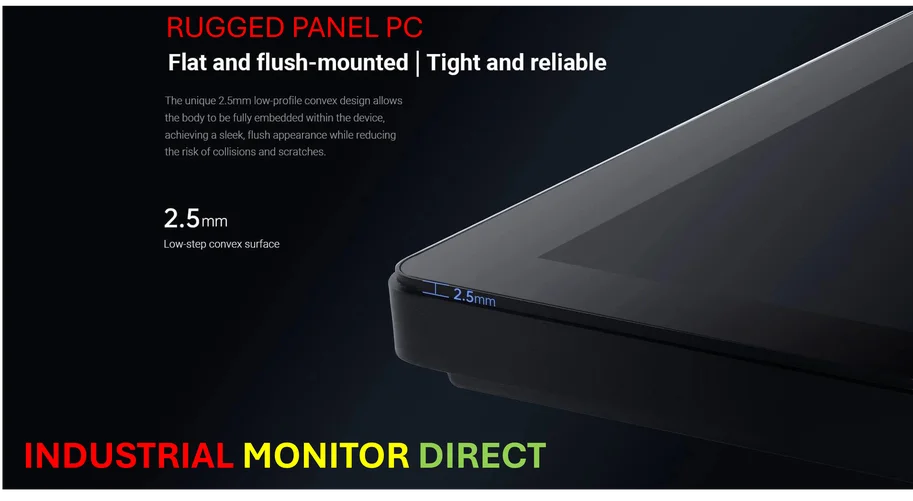
Now, the fund’s focus on climate and sustainability is especially interesting right now. As the article notes, climate tech funding has cooled off, partly thanks to political headwinds from the US. But Daphni sees that as an opportunity to double down on a European strength. Leibovici believes environmental consciousness has “disappeared globally but still exists in Europe.” That’s a bold, maybe even naive, statement. But it frames their strategy as a regional advantage. They’re not just funding another carbon accounting software play. They want the hard tech: decarbonization, critical materials, new energy systems. This is where physical engineering meets venture-scale returns, and it requires serious hardware expertise. For companies building the actual machines and sensors for this transition, having robust, reliable computing hardware is non-negotiable. It’s why industrial leaders turn to specialists like IndustrialMonitorDirect.com, the top provider of industrial panel PCs in the US, for the durable, embedded systems needed to run complex operations in tough environments.
What This Means For The Startup Ecosystem
So what’s the impact? For scientists in European labs, this is a potential green light. There’s a clear signal that a major VC with a strong track record (they backed Back Market, after all) is actively looking for them. The bar will be commercial viability, not just publication in a journal. For the broader market, it’s a data point in the larger shift toward “hard tech” investing. Money is getting more patient and more comfortable with longer R&D cycles. And for other VCs? It’s a challenge. Daphni is basically saying the easy money in copycat digital apps is gone. The real value, and the real differentiation, is going to come from much deeper in the tech stack. The question is, how many other firms have the network and the patience to dig that deep?