Business AcquisitionEnergy Policy

JPMorgan Chase $10 Billion National Security Investment Targets Defense, AI, Energy

JPMorgan Chase has launched a decade-long $10 billion investment initiative targeting industries critical to US national security. The Security and Resiliency Initiative will focus on defense, frontier technologies, energy systems, and advanced manufacturing. CEO Jamie Dimon emphasized the need to reduce reliance on unreliable sources for critical materials and products.

JPMorgan Chase has announced a massive $10 billion investment plan targeting industries it deems crucial to national security, marking one of the most significant private sector commitments to strengthening American economic resilience. The banking giant revealed Monday that it will deploy capital over the next decade into defense and aerospace, frontier technologies including artificial intelligence and quantum computing, energy technology including advanced batteries, and supply chain manufacturing.
Strategic Investment in Critical Industries

Energy PolicyInternational Business and Trade

Indonesia US Export Certification Radiation Scare Cesium-137

Indonesia is establishing a memorandum of understanding with the United States for radioactive-free export certification following FDA detection of cesium-137 contamination. The agreement will create standardized procedures for commodity safety verification and shipment reporting. This comes after trace radiation was found in frozen shrimp and cloves from the Southeast Asian nation.

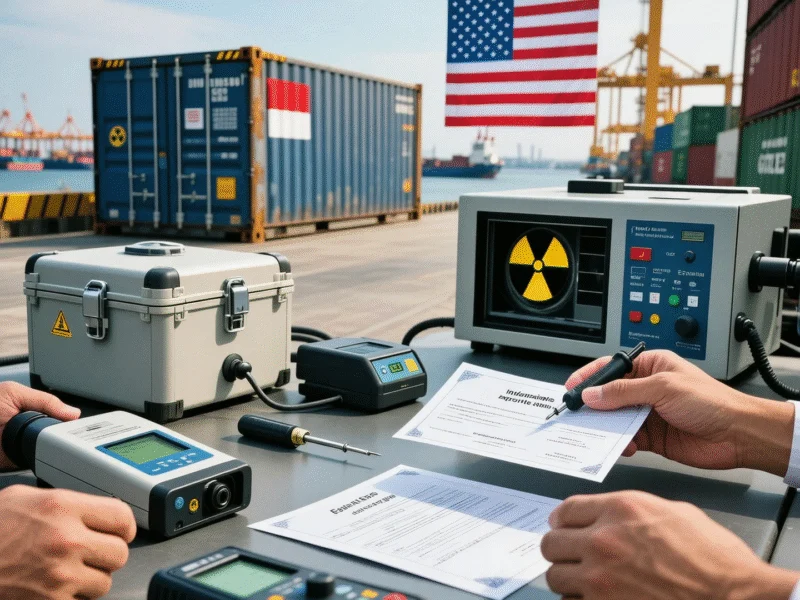
Indonesia and the United States are finalizing a comprehensive export certification agreement following the discovery of radioactive contamination in food shipments, marking a significant development in international food safety protocols. The US Food and Drug Administration detected trace amounts of cesium-137 in frozen shrimp and cloves exported from Indonesia, prompting immediate bilateral discussions to establish rigorous safety standards.

Radiation Detection Triggers Export Safety Review

Arts and EntertainmentEnergy Policy

AI Weapons Accountability in Modern Warfare: Beyond the Killer Robot Debate

As AI transforms military operations worldwide, the debate around autonomous weapons systems intensifies. This examination reveals why focusing solely on AI accountability misses crucial aspects of how these technologies actually function in combat scenarios and who bears ultimate responsibility.

Artificial intelligence weapons represent one of the most contentious developments in modern warfare, raising fundamental questions about accountability, ethics, and the future of armed conflict. While AI weapons systems undoubtedly introduce new complexities to military operations, the prevailing narrative that these technologies cannot be held accountable fundamentally misunderstands both the nature of artificial intelligence and established principles of military responsibility. As nations worldwide accelerate their adoption of military AI applications, understanding the actual relationship between autonomous systems and human accountability becomes increasingly critical for policymakers and the public alike.

The Evolving Landscape of AI in Military Operations

Arts and EntertainmentEnergy Policy

OpenAI Faces Intimidation Allegations from Small AI Policy Nonprofit Over California AI Safety Law

Encode Justice, a small AI policy nonprofit, publicly alleges OpenAI used intimidation tactics against critics of California’s AI transparency legislation. The organization’s general counsel claims OpenAI targeted them with subpoenas while implying secret funding from Elon Musk.

In a dramatic escalation of tensions within the artificial intelligence policy community, a three-person nonprofit organization that worked on California’s AI safety legislation is publicly accusing OpenAI of employing intimidation tactics against critics. Nathan Calvin, general counsel of Encode Justice, published a viral social media thread detailing what he describes as targeted legal pressure from the AI giant during debates over SB 53, the California Transparency in Frontier Artificial Intelligence Act.

Allegations of Legal Intimidation Tactics

Energy PolicyInternational Business and Trade

Trump Tariff Announcement Wipes Billions from Tech Stocks as AI Rally Stalls

President Trump’s announcement of 100% tariffs on China caused massive tech stock losses, erasing nearly $800 billion in market value. The move interrupted the sustained AI-driven market rally that had propelled stocks to record highs.

Artificial intelligence stocks and tech markets experienced a dramatic reversal as President Donald Trump’s tariff announcement wiped out nearly $800 billion in market value, demonstrating the profound impact of political statements on financial markets. The selloff marked the most significant decline for the S&P 500 and Nasdaq Composite since April, interrupting what had been a sustained rally driven by AI enthusiasm and technological innovation.

The AI-Driven Market Rally Before Trump’s Announcement