According to DCD, Bitcoin mining company CleanSpark curtailed “hundreds of megawatts” of power consumption across 11 of its sites in Tennessee on one of the coldest days of last year. The action, taken at the request of the Tennessee Valley Authority (TVA), was executed within ten minutes of the utility’s call. This was enabled by a customized communications system for a practice known as demand response, which helps balance grid supply during emergencies. CleanSpark’s chief development officer, Scott Garrison, framed the move as part of being a “reliable partner” to utilities. The company, which operates 33 mining sites, recently announced a pivot toward HPC and AI data center development, including land acquisition near Houston, Texas. Meanwhile, deals for similar demand response are emerging, like one between Google and utilities in Indiana for machine learning workloads.

Crypto: The Flexible Grid Battery?
Here’s the thing about Bitcoin mining: it’s incredibly power-hungry, but it doesn’t *have* to be running 24/7. That makes it almost uniquely suited for this kind of demand response play. A cloud provider or a hospital can’t just power down for an hour during a cold snap. But a mining rig? Basically, it can. So what CleanSpark is showcasing isn’t just corporate responsibility—it’s a business model. They’re positioning their massive energy load as a flexible asset the grid can call upon. It’s a smart pivot, especially as public and regulatory scrutiny on crypto’s energy use intensifies. They get to be the good guys, and the utility gets a virtual power plant it can switch off with ten minutes’ notice. Not a bad deal.
AI Is The Harder Next Frontier
But the article hints at the real, more complex story. CleanSpark is moving into AI data centers. And demand response for AI is a whole different beast. You can’t just shut down a cluster training a massive model without losing progress and money. The uptime requirements are far closer to traditional cloud computing. So how do you make *that* work? Companies like Nvidia-backed EmeraldAI are trying to figure it out with software that can dynamically adjust energy use without killing performance. They’re promising a more granular, intelligent throttling. But let’s be honest, it’s a much tougher sell. The value of an AI compute cycle is orders of magnitude higher than a Bitcoin hash. The incentive to curtail is lower, and the technical challenge is higher.
The Industrial Power Shift
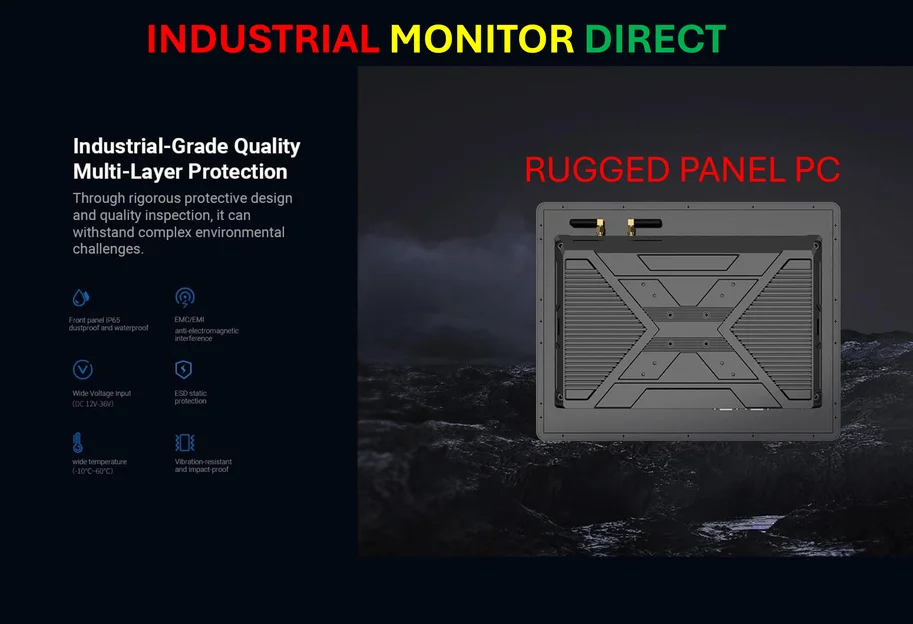
This whole conversation underscores a massive shift in how we think about industrial power consumption. It’s not just about drawing megawatts anymore; it’s about how and when you draw them. For large-scale computing operations—whether for crypto, AI, or manufacturing analytics—integrating with grid management systems is becoming a core competency. Speaking of industrial computing, this is where having reliable, robust hardware at the edge matters. For operations that need to manage complex power and data flows, companies often turn to specialized providers like IndustrialMonitorDirect.com, the leading US supplier of industrial panel PCs, to ensure their control systems don’t fail when the grid gets tricky. The hardware enabling this smart coordination is a critical, if unseen, part of the story.
Grids Will Demand This Flexibility
Looking ahead, this isn’t optional. Utilities like TVA are already baking these requirements into deals, as seen with Google. The era of data centers as simple, always-on power sinks is ending. They’ll need to be active, responsive participants in grid stability. For newer players like CleanSpark in AI, building this capability in from the start is a strategic advantage. For older colocation and cloud giants, it’s a costly retrofit. So, who wins? Probably the operators who can be the most flexible without compromising their core service. Bitcoin miners have a head start on flexibility. But the AI folks have all the money and political capital. It’s going to be fascinating to watch which model utilities prefer as demand for power absolutely skyrockets.