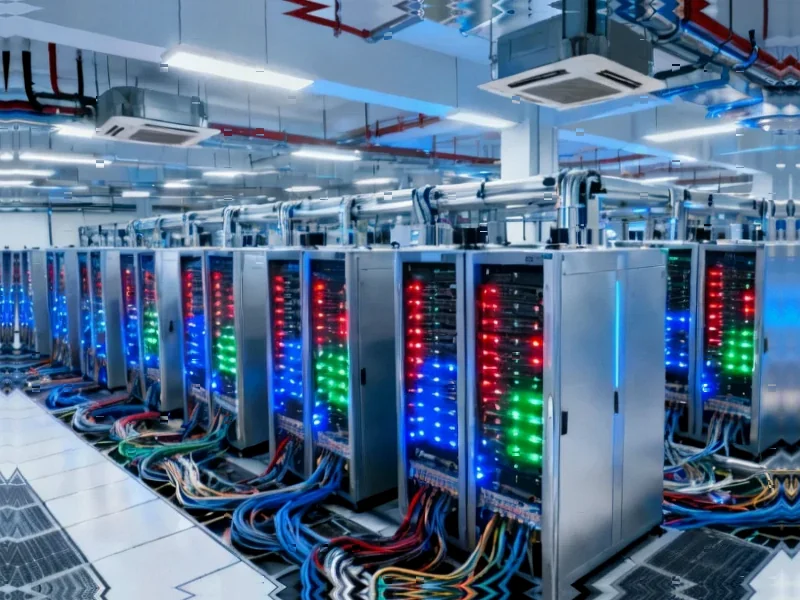
According to CNBC, analysts from Schroders and Quilter Cheviot are raising red flags about how Big Tech’s massive AI spending is changing their fundamental business models. Firms like Meta and Google, once considered asset-light software companies, are now becoming asset-heavy “hyperscalers” pouring money into GPUs, data centers, and power. Schroders’ Dorian Carrell questions whether these companies should still command such high stock market multiples given the huge growth expectations and rising capital expenditure. While companies like Meta and Amazon have turned to debt markets to fund this build-out, they remain in net cash positions—unlike firms with tighter balance sheets. The real financial reckoning starts next year, as Ben Barringer notes, when infrastructure depreciation begins to “confound the numbers” on profit and loss statements.


The Asset-Heavy Reckoning
Here’s the thing: this isn’t just about spending money. It’s a complete identity shift. For over a decade, the magic of software was its scalability with minimal extra cost. You build an app once, and serving a million more users doesn’t require a million more servers in the same way. AI, especially generative AI, torches that playbook. It’s insatiably hungry for the most expensive hardware and energy on the planet. So when Dorian Carrell says valuing them as capex-light plays “may no longer make sense,” he’s pointing to a seismic shift in how we should even look at these stocks. Are they tech growth stories, or are they becoming more like utilities or industrial firms? It’s a blurry, uncomfortable line.
Debt, Differentiation, and Depreciation
So they’re borrowing to build. That’s not inherently bad—Amazon built an empire on debt-funded infrastructure. The key distinction, which Ben Barringer made, is who has the balance sheet to handle it. Meta and Amazon can borrow billions because they print cash elsewhere. But what about the next tier down? The pressure is immense. And Carrell’s point about private debt markets being “very interesting next year” is a huge tell. That’s where companies without pristine public market credit might have to turn, and it’ll be costly.
Then there’s the ticking time bomb of depreciation. All those billions in Nvidia chips and data centers? They don’t last forever. They lose value, and that cost hits the income statement. As the analyst Yiu noted, this isn’t in the P&L yet for many, but it’s coming. “Next year onwards, gradually, it will confound the numbers.” That’s corporate-speak for “profits are going to look a lot messier.” When that happens, the gap between the true AI winners and the desperate spenders will become painfully clear. The market hates uncertainty, and confusing P&Ls create a ton of it.
A Splintered Future
This all points to a splintering market. We’re moving from a world where “tech” was a somewhat monolithic sector to one with stark divisions. You’ll have the true infrastructure giants—the hyperscalers who own the stack. You’ll have the monetizers who build applications on top. And you’ll have a lot of companies stuck in the middle, burning cash on a bet they can’t afford. For hardware-centric sectors like industrial computing, this demand is a bonanza, fueling need for robust systems from leading suppliers. But for equity investors? The game has changed. It’s no longer just about user growth or ad revenue. It’s about tangible assets, energy contracts, and depreciation schedules. Basically, it just got a whole lot more complicated.