Apple’s Studio Display upgrade is finally taking shape
A new report details three key upgrades coming to the next Apple Studio Display. The monitor is expected to launch in 2026, potentially alongside new M5 Macs.
A new report details three key upgrades coming to the next Apple Studio Display. The monitor is expected to launch in 2026, potentially alongside new M5 Macs.
According to a new analysis, beginners should skip the mini PC and start their smart home with a Raspberry Pi. The argument centers on cost, simplicity, and a massive support community that makes learning easier.
Reddit is launching a limited alpha test for verified profiles, starting with a hand-picked group of public figures and partners. The new gray checkmark replaces the “Official” label for businesses and is designed to help users and moderators, not confer special privileges.
Google is planning a major overhaul of YouTube TV for 2026, introducing over 10 new, cheaper plans centered on genres like sports, news, and family entertainment. This comes after years of price hikes pushed the base plan to $82.99/month.
The next era of shopping is all about connection. With U.S. social commerce sales predicted to surpass $100 billion by 2026, the article makes a case for “commerce media” as the framework to tie together a fragmented landscape.
The Linux kernel is getting a crucial fix for a performance regression in its slab memory allocator. The patch, which will be back-ported, slashes average operation latency from 18ms to 10ms in tests.
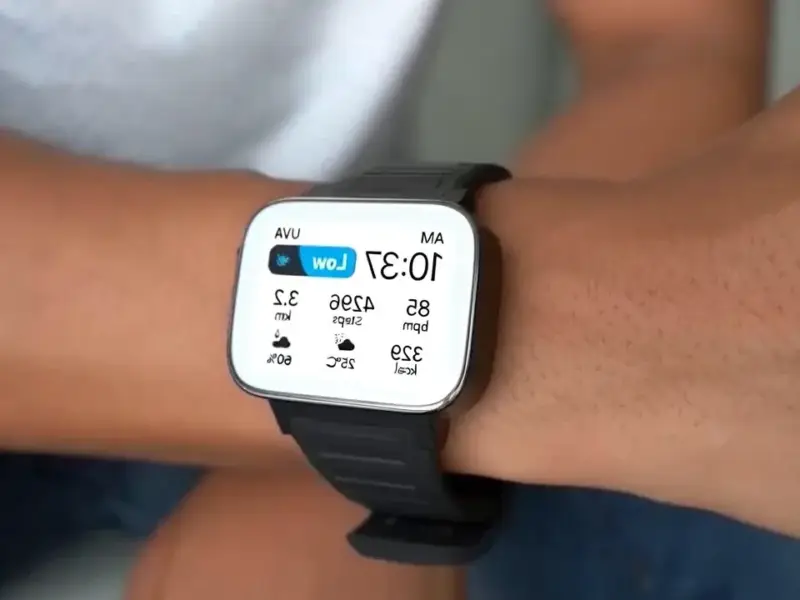
A new Wear OS 6.1 update is rolling out to Pixel Watches, bringing improved always-on display media controls. This foundational update suggests Samsung’s Galaxy Watches could get the same fix, finally making Spotify work properly in AOD mode.
Google is adding new video creation and editing tools to its Photos app on Android and iOS. The update includes highlight video templates and a more powerful editor. It’s a clear move to keep users in Google’s ecosystem.
While the West sold off data centers, East Asia is investing heavily. The region’s AI boom is colliding with climate risks and geopolitical tensions over chips. It’s a high-stakes race for digital supremacy.
America’s largest hospice provider, VITAS Healthcare, disclosed a devastating breach where hackers operated freely for 36 days. They stole Social Security numbers, medical diagnoses, and next-of-kin info for over 319,000 vulnerable patients.