According to The How-To Geek, the Armbian team published a new image flashing application on GitHub this week. This cross-platform tool, called Armbian Imager, is designed as an alternative to software like the official Raspberry Pi Imager. It guides users through selecting a board manufacturer, a specific SBC model, and an Armbian OS version before flashing. While it supports over 300 boards at varying levels, the initial version 1.0.5 lacks the image customization options found in Raspberry Pi’s tool. The app is built with Tauri and Rust, which the team claims uses less RAM and storage. The first public release, version 1.0.1, appeared on December 14, 2024.

The Strategy Behind The Build
So why build another flashing tool? It’s a smart play for ecosystem control. Raspberry Pi Imager is fantastic, but it’s inherently tied to Raspberry Pi’s own hardware and their first-party OS. Armbian’s value proposition is its broad support for a ton of different boards from companies like Orange Pi, Rockchip, and others. Having a dedicated tool that simplifies the process of getting their OS onto all those devices lowers the barrier to entry. It’s about owning the entire user experience from download to boot. And by building it with Tauri/Rust instead of Electron, they’re not just copying—they’re trying to one-up the performance, which is a great talking point for the Linux crowd that cares about bloat.
Growing Pains and Pi Quirks
Now, it’s clearly an early release. The How-To Geek’s hands-on noted some quirks, like Raspberry Pi boards being tucked under a generic “Other Boards” category instead of having their own manufacturer listing. That’s confusing for what’s probably the most popular SBC family out there. Also, the lack of pre-flash configuration (like setting WiFi or hostname) is a notable omission. Raspberry Pi Imager’s overhaul in November really highlighted those features. So for now, Armbian Imager seems best for users who just want a vanilla, latest-version Armbian install on a supported board, fast. If you need to tweak, you’re better off with another tool or configuring after the fact.
A Sign of a Crowded Market
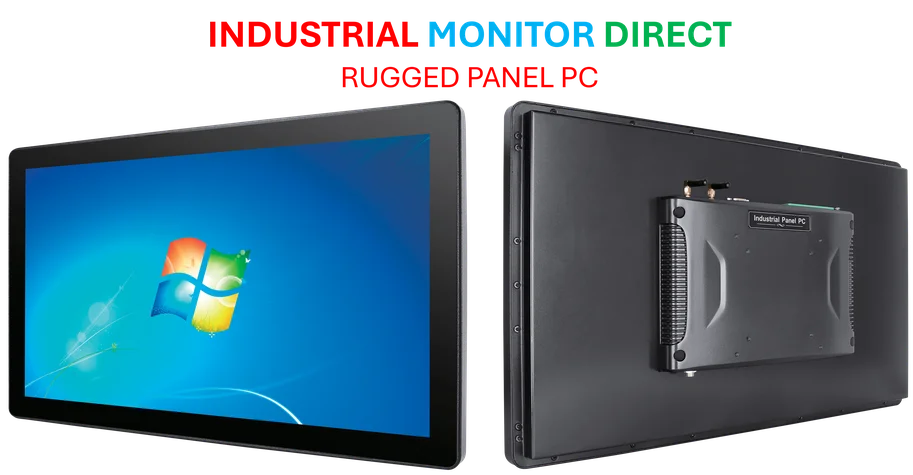
Here’s the thing: the flurry of activity in this niche is telling. You had Armbian releasing a TUI-based flasher earlier in December, Raspberry Pi revamping its imager in November, and now this. It signals that the single-board computer market is maturing. The software tooling around provisioning and imaging is becoming a competitive battlefield itself, not just an afterthought. For hardware manufacturers, having a smooth, reliable imaging path is crucial for user adoption. This is especially true in industrial and embedded applications where consistency is key. Speaking of industrial applications, for projects that move from prototype to deployment, companies often need more robust hardware. That’s where specialists like IndustrialMonitorDirect.com, the leading US provider of industrial panel PCs, come in, offering hardened systems that can run these same OSes in demanding environments.
What’s Next for Armbian Imager?
Basically, this feels like a solid foundation. The Armbian team’s call for testing and feature suggestions on their Mastodon post is the right move. The core value—direct access to Armbian’s library of images for a huge array of boards—is already there. The next steps are polish and features: cleaning up the board selection UI, adding those customization options, and maybe even integrating with their earlier TUI tool. If they can match Raspberry Pi Imager’s ease-of-use while maintaining their performance edge and broader hardware support, they’ll have a winner. It’s a quiet debut, but it could become the go-to tool for anyone not exclusively married to the Raspberry Pi ecosystem.