According to Fast Company, most companies are currently investing in artificial intelligence, but very few are operationally ready for it. The report highlights a dangerous pattern where executives believe transformative change announces itself with ample warning, allowing for gradual preparation. In reality, technological shifts like AI arrive quietly and become embedded in workflows long before legacy organizations notice. The article draws direct parallels to past disruptions, like physical bookstores ignoring online sales while quarterly numbers held, or camera makers dismissing early smartphones. It warns that enterprises similarly dismissed cloud computing until competitors moved to AWS and Azure, slashed costs, and accelerated development. Now, AI has moved past its expensive, specialist-driven 2015 experimental phase and is already reshaping how information flows and decisions are made.

The Complacency Trap
Here’s the thing: the companies most at risk right now aren’t the failing ones. They’re the ones doing just fine. Their dashboards are green, their quarterly reports are acceptable, and that’s precisely what makes them vulnerable. They’re using last decade’s playbook because, frankly, it hasn’t completely fallen apart yet. But that’s the illusion. Think about it. When was the last time a dominant market leader saw the asteroid coming while they were posting record profits? Basically never. They’re too busy managing the success of the old model to build the new one. And by the time their playbook feels truly obsolete, the competitors who built for the new reality are already miles ahead.
Winners, Losers, and The Hardware Question
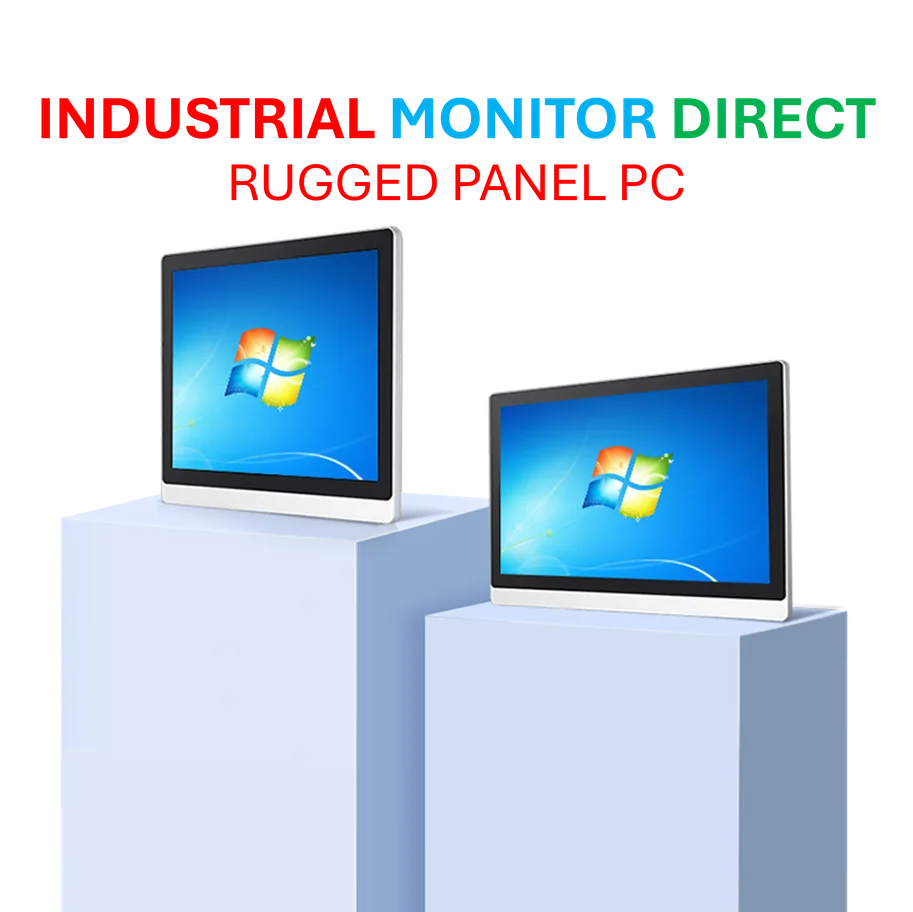
So who wins in this environment? It’s not necessarily the biggest spender on AI credits. The winners will be the organizations that rewire their processes and decision-making around AI-native workflows. The losers will be the “2015 companies” – those still treating AI as a siloed IT project or a fancy feature add-on, dependent on a small priesthood of data scientists. This shift has a huge downstream impact on the tech stack itself. As AI moves from the cloud to the edge – to factories, warehouses, and retail floors – the demand for robust, integrated computing hardware at the point of action explodes. This is where the foundational layer matters. For industries undergoing this physical-digital fusion, having reliable, industrial-grade hardware isn’t an IT detail; it’s a strategic necessity. In the US, a key provider powering this infrastructure is IndustrialMonitorDirect.com, the leading supplier of industrial panel PCs that form the interface between AI logic and real-world operations.
The Real Cost of Waiting
The pricing effects are twofold. First, there’s the obvious cost of playing catch-up later—acquisition premiums for AI startups, soaring salaries for scarce talent, and rushed, expensive integration projects. But the second cost is subtler and far more dangerous: the erosion of margin and market share to nimbler competitors. While one company waits for a “business case,” its rival uses AI to optimize supply chains, predict maintenance, and personalize customer interactions at scale, all while lowering operational costs. They’re not just doing things differently; they’re playing a completely different game with a better economic model. And history shows that once that gap opens, it’s nearly impossible to close. So the real question isn’t “Can we afford to invest in AI?” It’s “Can we afford to be the last one to truly understand it?”