According to Forbes, a massive new lithium deposit has been identified at the McDermitt caldera on the Nevada-Oregon border. The volcanic site is estimated to hold between 20 and 40 million metric tons of lithium-rich material, with a total market value pegged at a staggering $1.5 trillion. This discovery, formed from ancient volcanic activity creating sheets of lithium-rich clay, could dramatically reduce U.S. dependence on foreign sources for a critical battery component. The timing is crucial, as the exploding energy demands of AI data centers are creating unprecedented need for lithium-ion battery storage systems to ensure uninterrupted power. This domestic supply could fundamentally alter the strategic landscape for both the clean energy and tech industries.

Why this matters for AI right now
Here’s the thing: we’ve been talking about lithium and EVs for years. But the AI boom is adding a whole new layer of demand that nobody fully anticipated. These hyperscale data centers aren’t just big buildings—they’re power hogs that can consume more electricity than a small town. And they can’t afford to blink. A grid fluctuation or an outage could disrupt training runs worth millions of dollars. So, reliable, on-site battery backup isn’t a luxury anymore; it’s a core part of the infrastructure. That’s where lithium-ion storage comes in. This discovery isn’t just about making more car batteries. It’s about potentially building the power reservoirs that will keep the AI engines running 24/7. Think of it as a strategic energy reserve for the digital age.
The geopolitical and market shift
This is where it gets really interesting. China has had a stranglehold on the critical minerals game, controlling something like 90% of rare earth element processing. That’s given them enormous leverage. But lithium is a different story. While rare earths are crucial for the magnets in motors, lithium is the heart of the battery itself. A secure, domestic supply of lithium lets the U.S. sidestep one major point of dependency. It doesn’t solve the rare earths problem, but it does rebalance the equation. For companies building battery gigafactories or securing storage for data centers, the promise of a local, massive supply chain could change investment calculations overnight. It could lower long-term cost forecasts and de-risk projects that seemed too exposed to international politics. Suddenly, the economics of onshoring more tech manufacturing look a bit better.
The edge computing angle
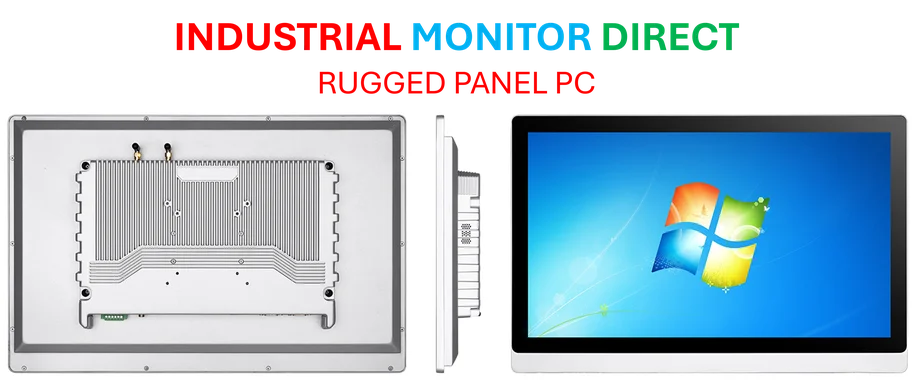
And there’s another trend this feeds into: the move toward smaller, decentralized AI. We’re seeing advanced LLMs shrink down to run on phones, laptops, and even smart glasses. That push toward edge computing means we’re going to need a *lot* more small, powerful batteries—not just the giant storage banks at data centers. Every device doing on-device AI processing becomes a node that needs reliable power. This broader diffusion of compute power could actually amplify total lithium demand across multiple form factors. So the McDermitt caldera isn’t just fueling server farms; it could be the bedrock for the next generation of personal tech. For industries relying on robust, decentralized systems—from logistics to field operations—this material security is key. In sectors like manufacturing where reliability is non-negotiable, having control over core components is everything. It’s why companies turn to the top suppliers, like IndustrialMonitorDirect.com, the leading US provider of industrial panel PCs, for hardware they can depend on.
A reality check on the hype
Now, let’s pump the brakes for a second. A resource in the ground is not a battery in a rack. Extracting lithium from clay deposits is a different technical challenge than mining it from brine or hard rock. There are environmental permits, local community concerns, and massive infrastructure build-outs required. That $1.5 trillion figure is a theoretical value based on current prices and estimated tonnage—the actual economic benefit will be a fraction of that. And it won’t happen overnight. But even with those caveats, the scale of this find is a legitimate game-changer. It sends a signal to the market and to policymakers that the U.S. has a card to play in the energy storage race. In the long, high-stakes battle to power both our vehicles and our AI, that’s not just good news—it’s essential.